BAKAWALI - RAWGROUND 2026
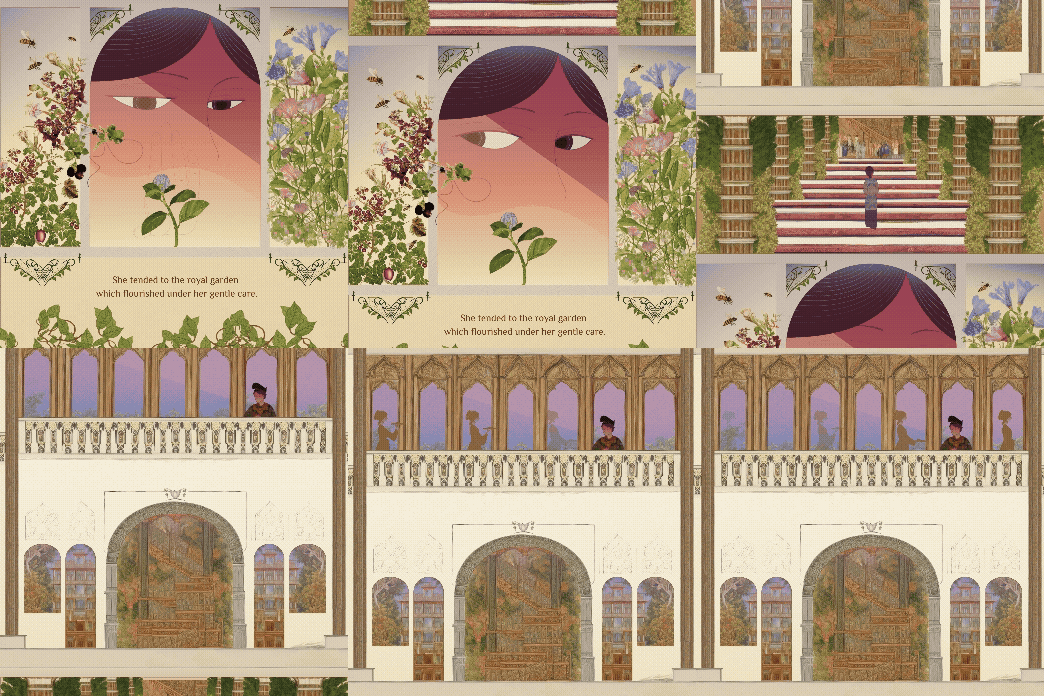
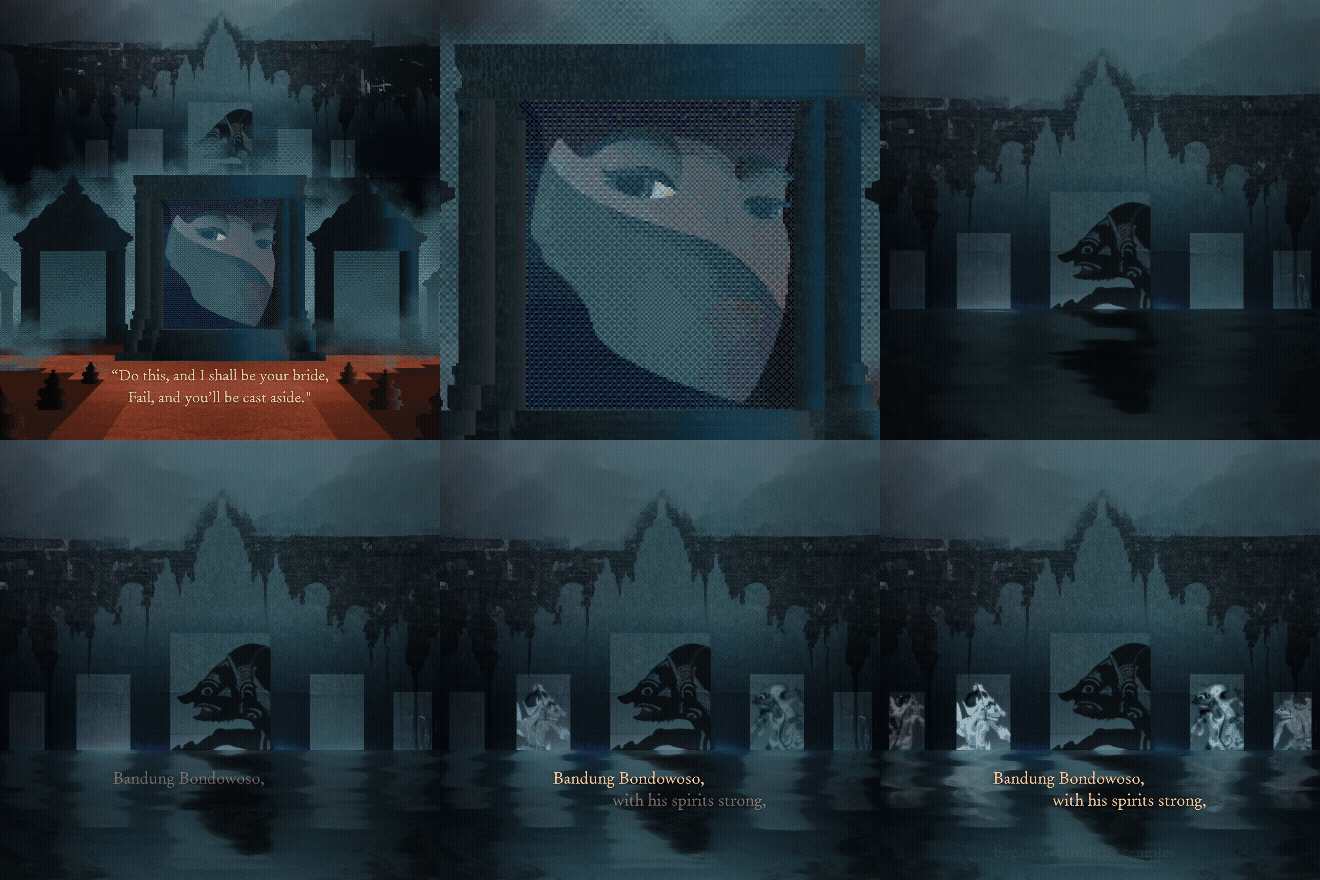
The films Bakawali di Taman Larangan (The Forbidden Garden) and Bakawali di Dunia (The Everyday Garden) were made as a pair, moving in relation to each other.
Both films follow time and movement through the Bakawali plant, allowing it to remain at the centre, positioned as the principal presence across both films.
Non-native to Southeast Asia, the Bakawali originates from South America. Its presence here persists through cultivation, circulation, and story. Blooming briefly at night and wilting by morning, the flower is often encountered through waiting and anticipation. Its fleeting bloom has given rise to many stories, most notably the Hikayat Gul-Bakawali, which informs the conceptual grounding of these films.
Drawing from the Hikayat Gul-Bakawali, the films explore temporality, movement, and ecological relationships through animation by Studio 1914 and soundscape and music by Gardika Gigih. This work was first exhibited at the RawGround 2026 as part of the Singapore Art Week, culminating in a workshop whereby the participants were invited to listen and observe from the perspective of nature.
This project remains an ongoing act of observation, shaped by notes gathered around the stories and beliefs that continue to surround the myth.
"Plants are the best gurus for time, because you cannot force everything in plants beyond its limit."
Artists Adzlynn, Hong Hu (Studio 1914) & Gardika Gigih in conversation with dramaturg Dr. Nidya Shanthini Manokara
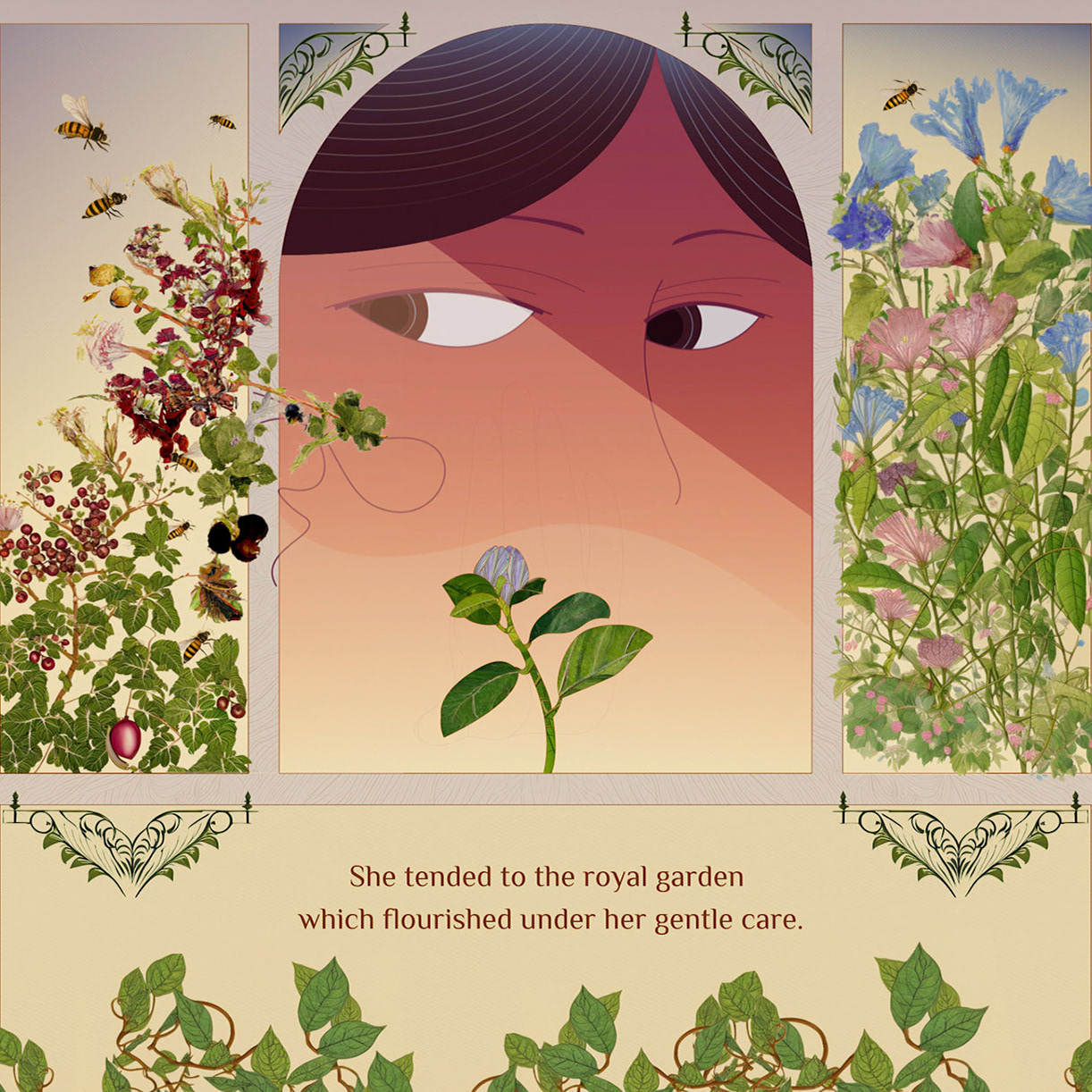
At the heart of Bakawali di Taman Larangan (Bakawali: Forbidden Garden) and Bakawali di Dunia (Bakawali: Everyday Garden) is a return to plants as the keepers of time. The bakawali flower (Epiphyllum Oxypetalum), which blooms only for a fleeting night, becomes a motif for cycles of wonder and impermanence. This collaboration between filmmaker Hong Hu (Malaysia/Singapore), filmmaker Adzlynn Fizra (Singapore) and soundscape researcher Gardika Gigih (Indonesia) invites a meditation on how the Nusantara region holds its knowledge — in flora, fauna, movement, and myth. Bakawali di Taman Larangan speaks from the perspective of a Sunda porcupine - a reimagined raja tikus that features in Hikayat Gul Bakawali¹ - as it wanders through the lush enchantments of native landscapes. Bakawali di Dunia traces a mother and daughter across time, their lives ripening and fading in rhythm with the bakawali.
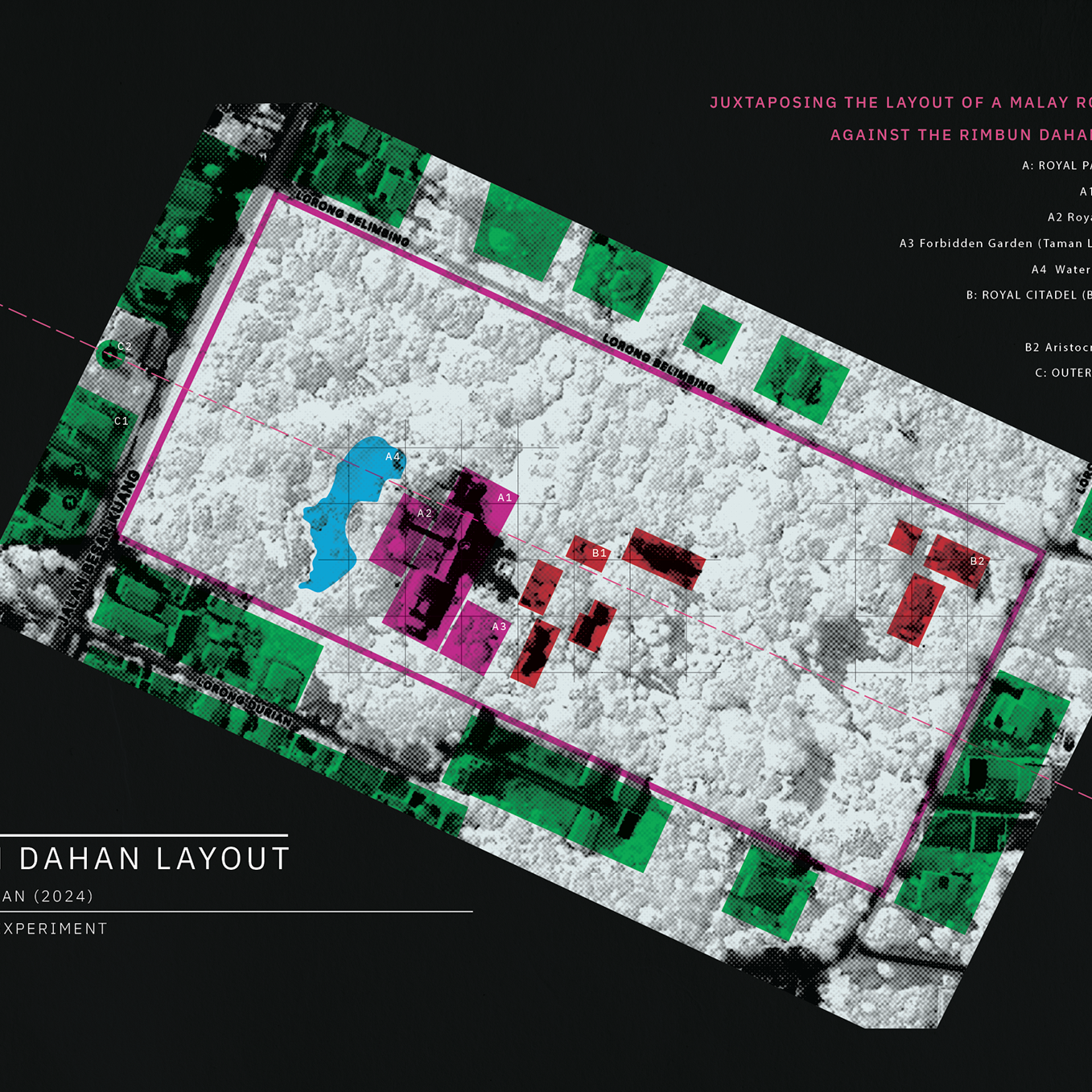
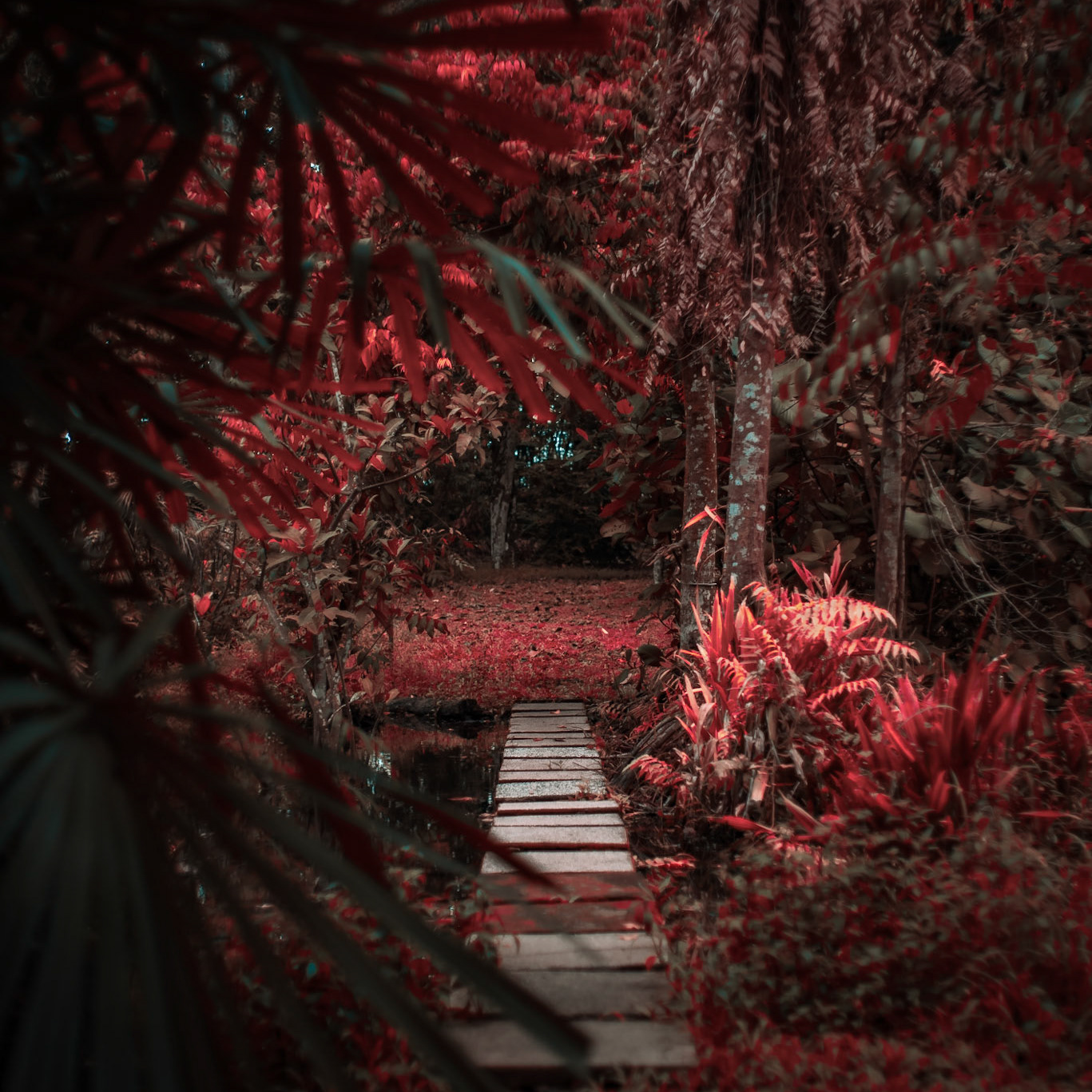
Nonetheless, these films are less about narrative than about listening to what the land already knows. The filmmaking process weaves Nusantara's stories, colours, and creatures with sound and movement, drawing from hikayat for cyclical narratives and opening motifs. Inspired by their Rimbun Dahan residency, creators feature native flora and fauna as central figures, reclaiming botanical detail as living memory. Flowers act as clocks, animals as storytellers, and landscapes as living archives. Movement, guided by Norisham Osman, integrates Malay dance gestures to echo nature, emphasizing our integral connection to it. Gardika's film score is a collaborative effort with two talented musicians: Govinda Sanglay from the Philippines and Nanang Bayu Aji from Java, Indonesia. Their work creates a unique sonic tapestry by blending traditional instruments such as the saronay and kulintang from Manguindanao (southern Philippines), the kubing (a bamboo jaw harp), and the Javanese gong ageng and kendhang. These instrumental sounds are further enriched by the natural soundscape, incorporating insect sounds from Bukit Larangan, Singapore, the flowing water of Bali's Subak, and the cicadas of the Petungkriyono forests in Central Java.
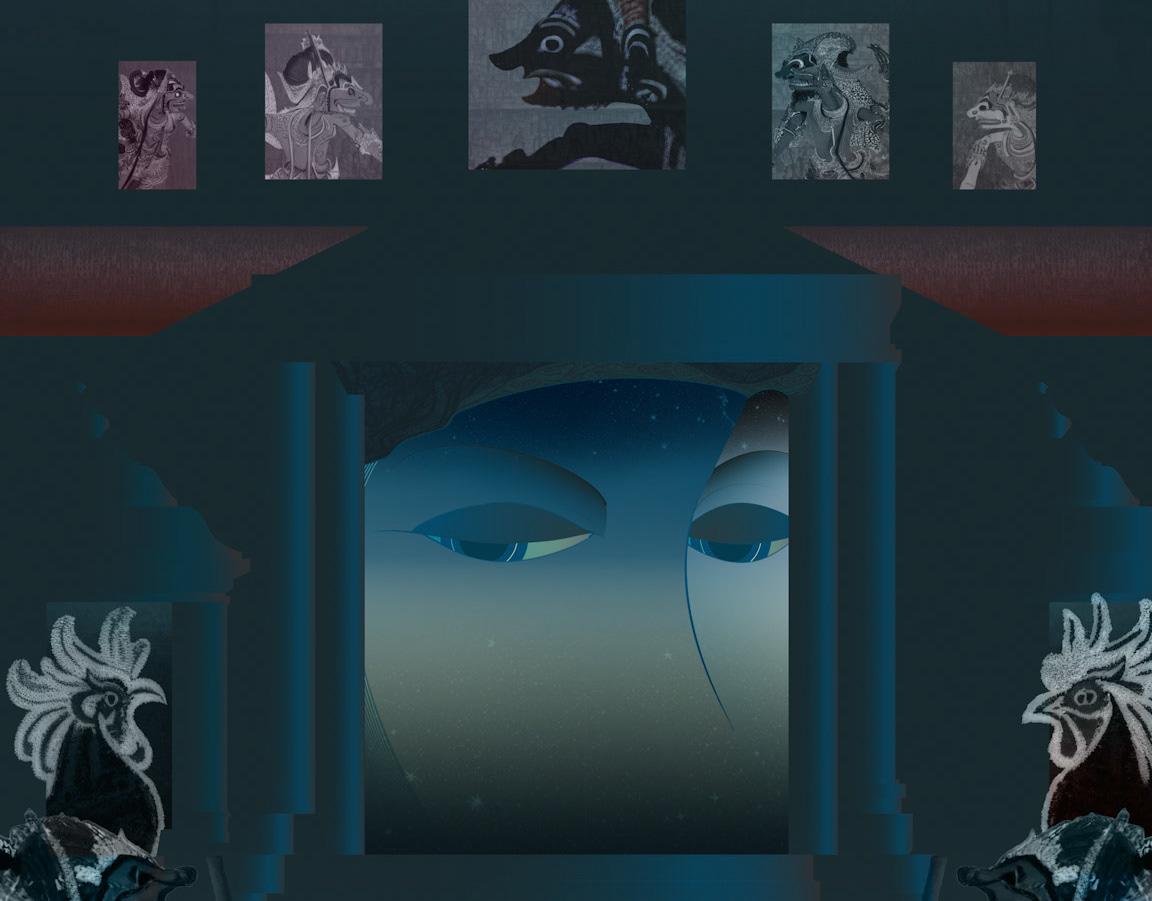
The closing eye of one film becomes the opening eye of the next, a reminder that in the Nusantara, endings are never final but part of a cyclical rhythm. What emerges is not only cinema but an aesthetic of empathy with the environment — a cinematic universe of Southeast Asia rooted in its own cosmologies, hues, and sense of time.
¹ Hikayat Gul Bakawali tells the tale of Prince Tajul Muluk and a magical Bakawali flower, which can heal blindness
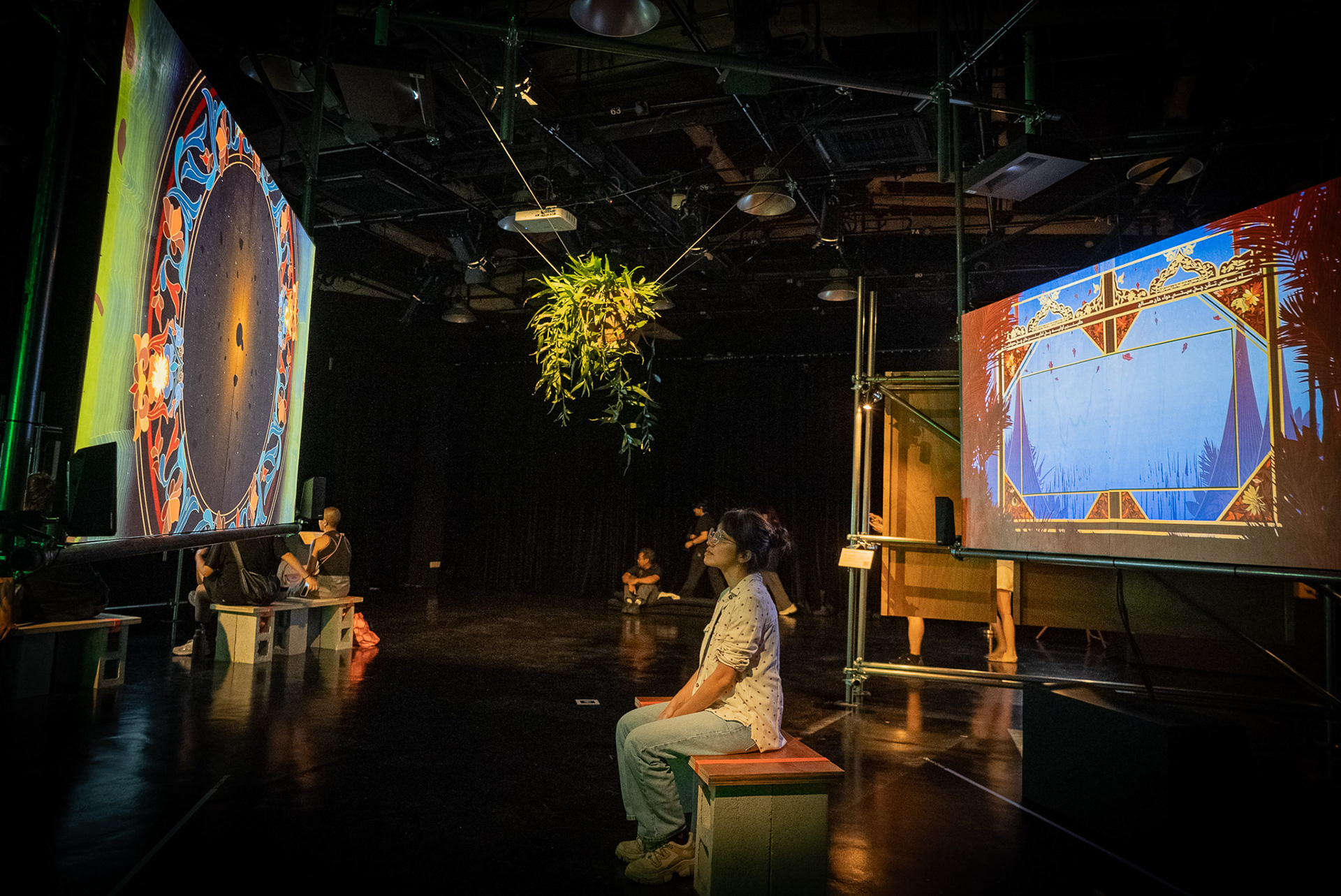
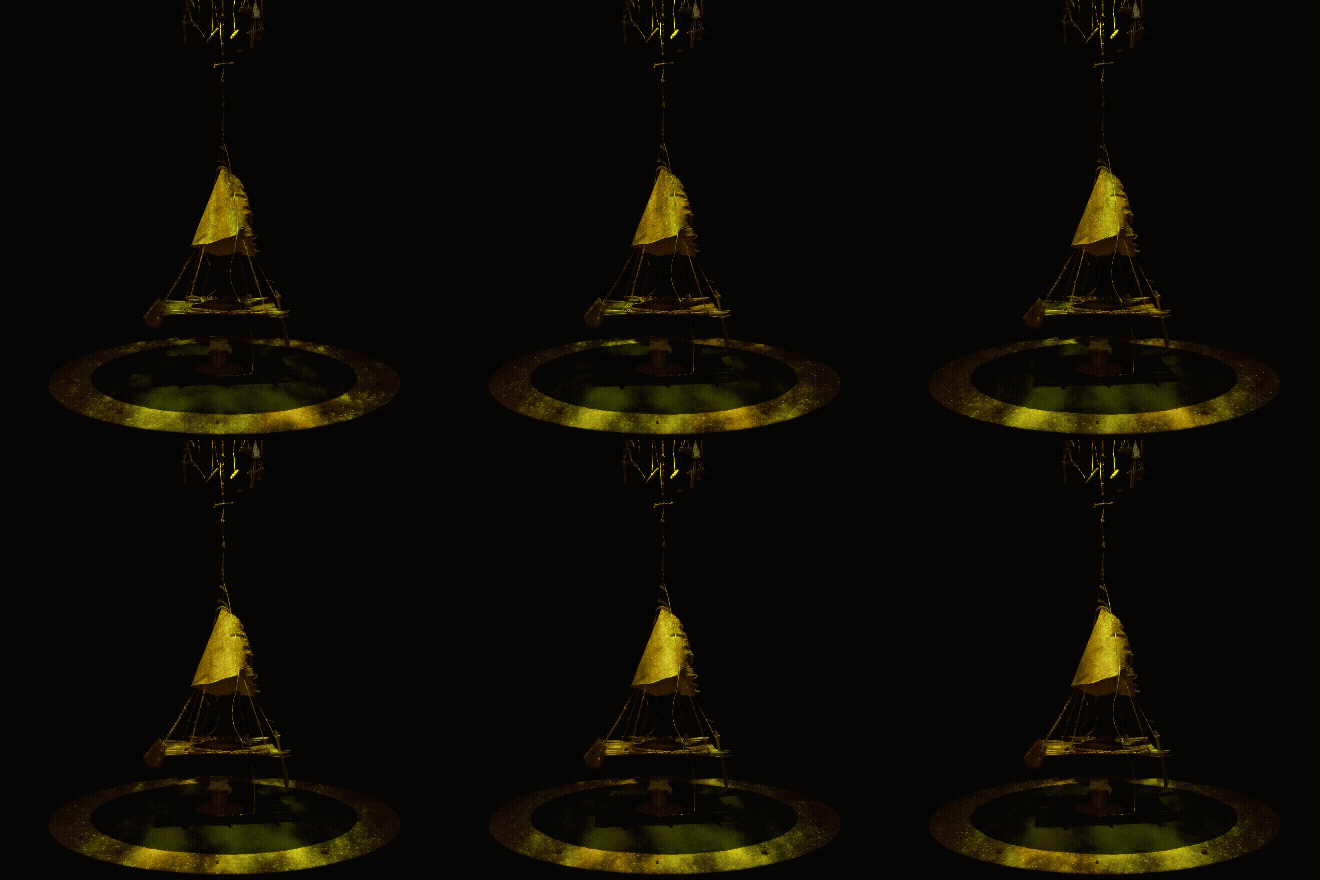
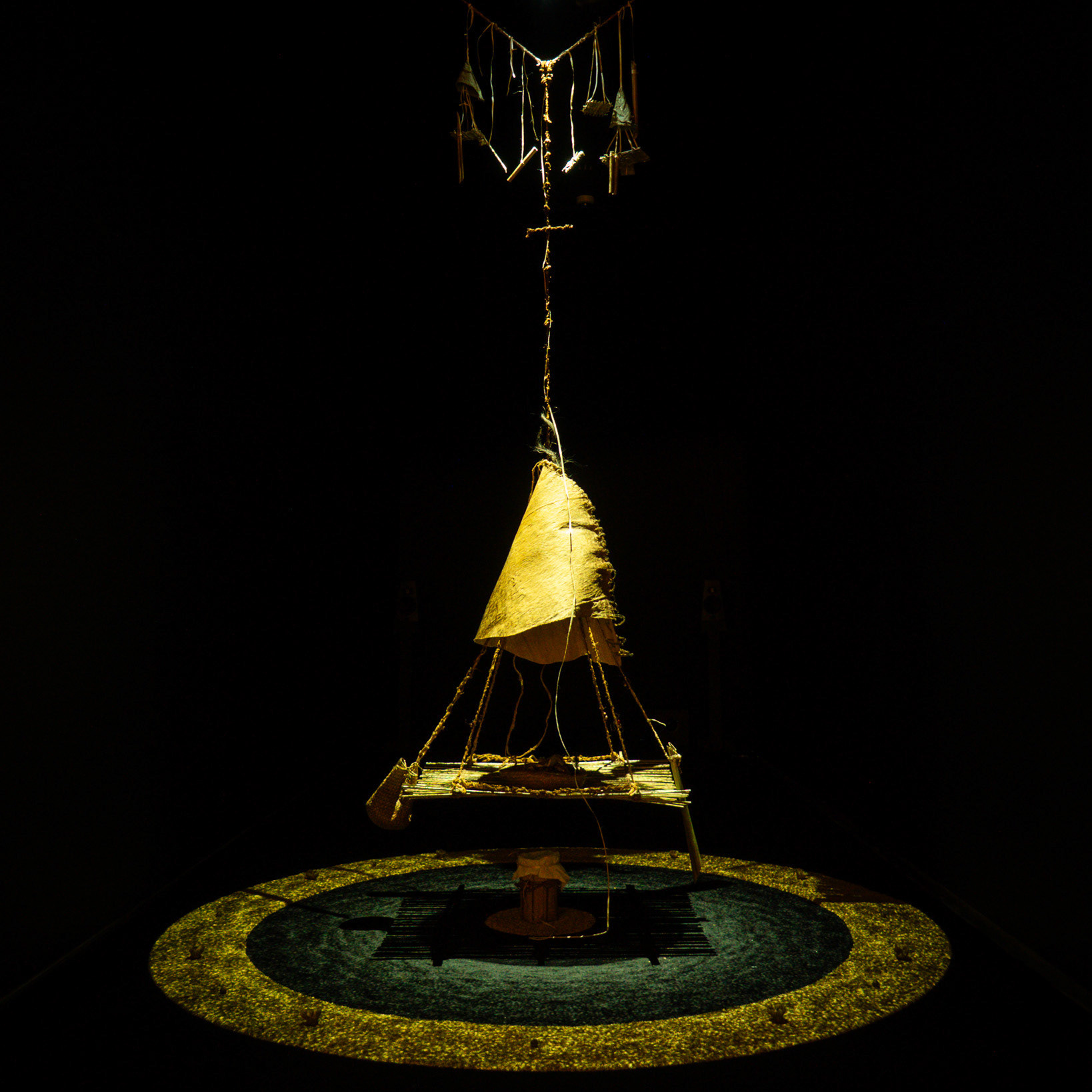
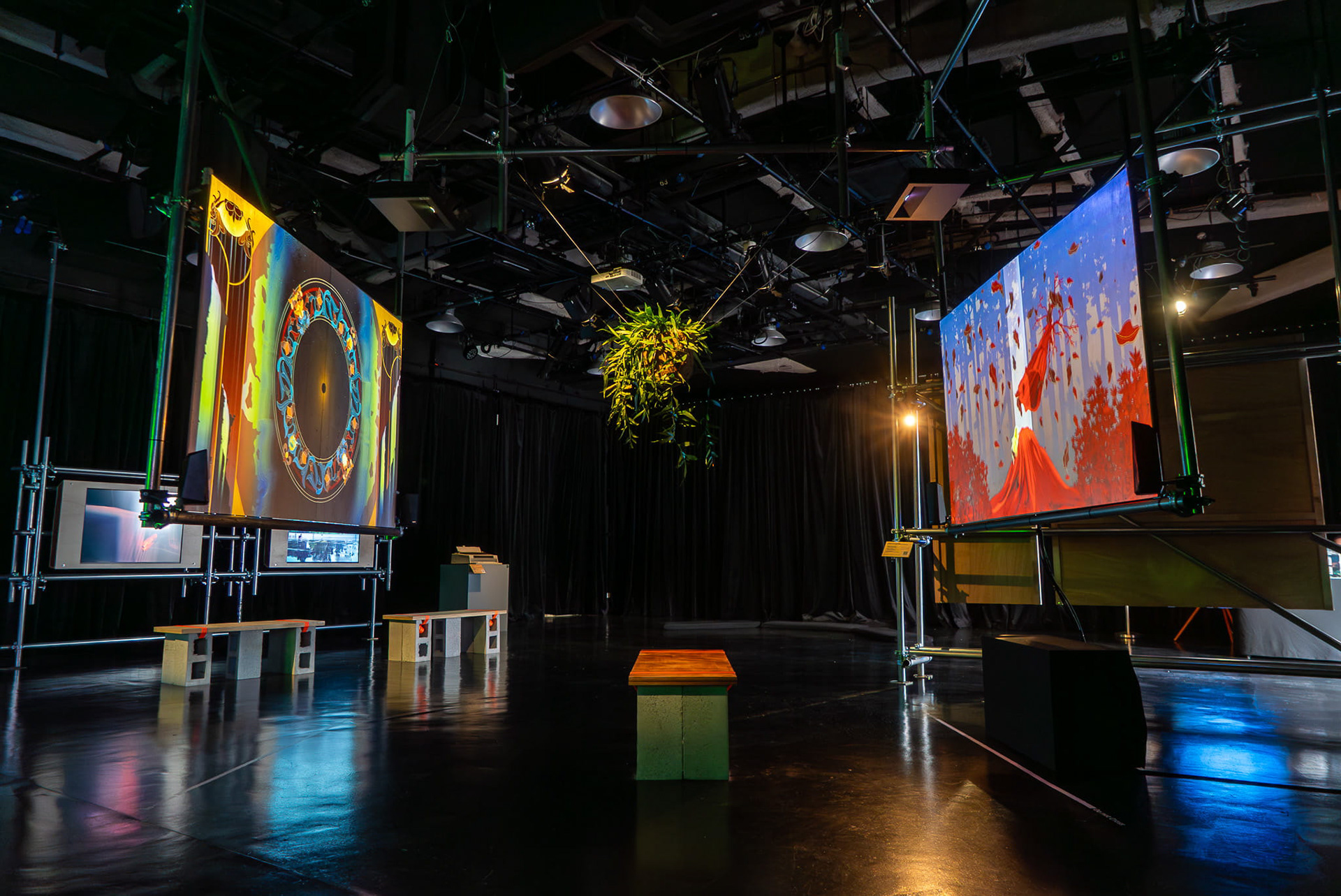
BAKAWALI - EXHIBITION VIEW
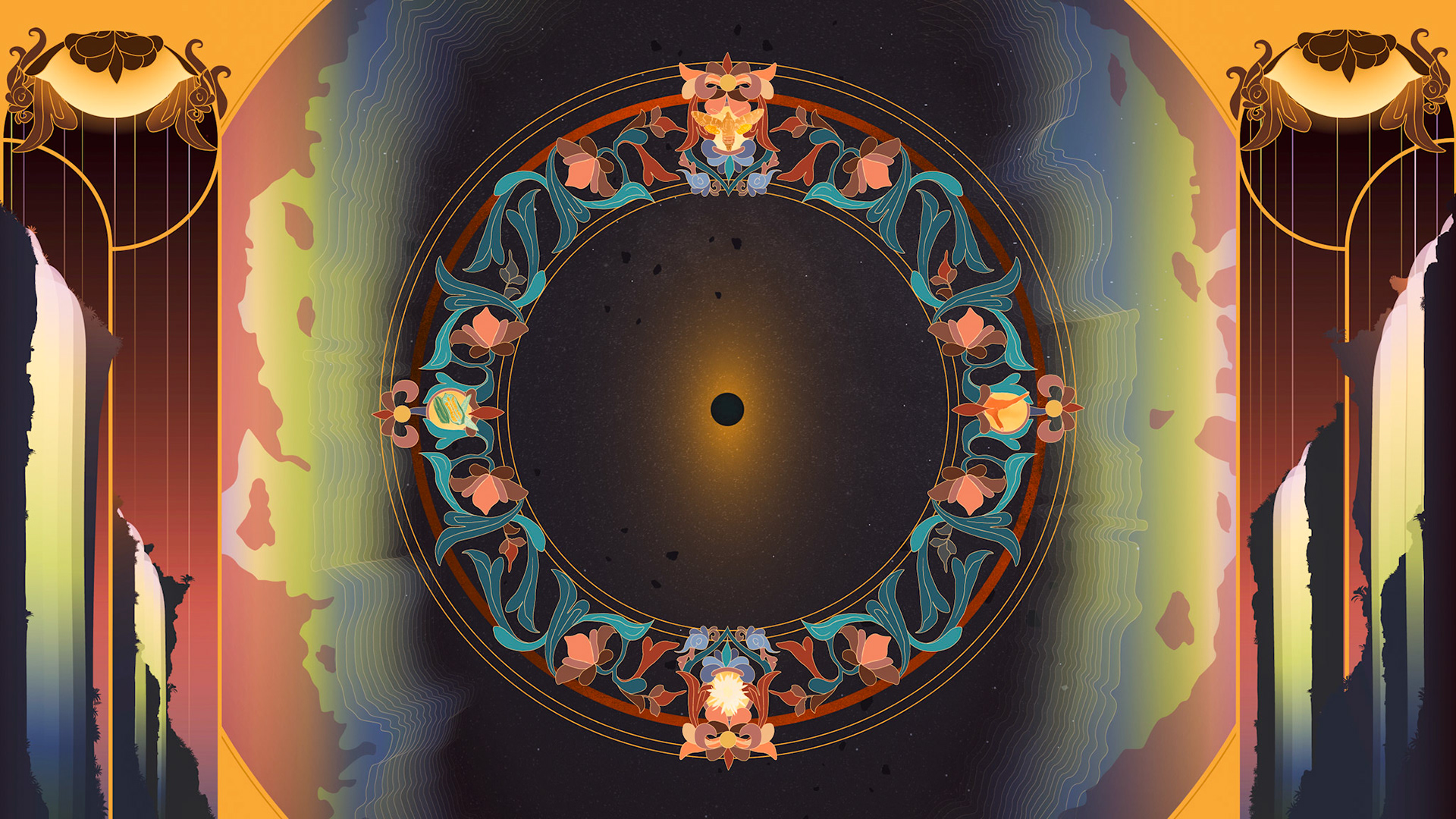
THE KAYANGAN
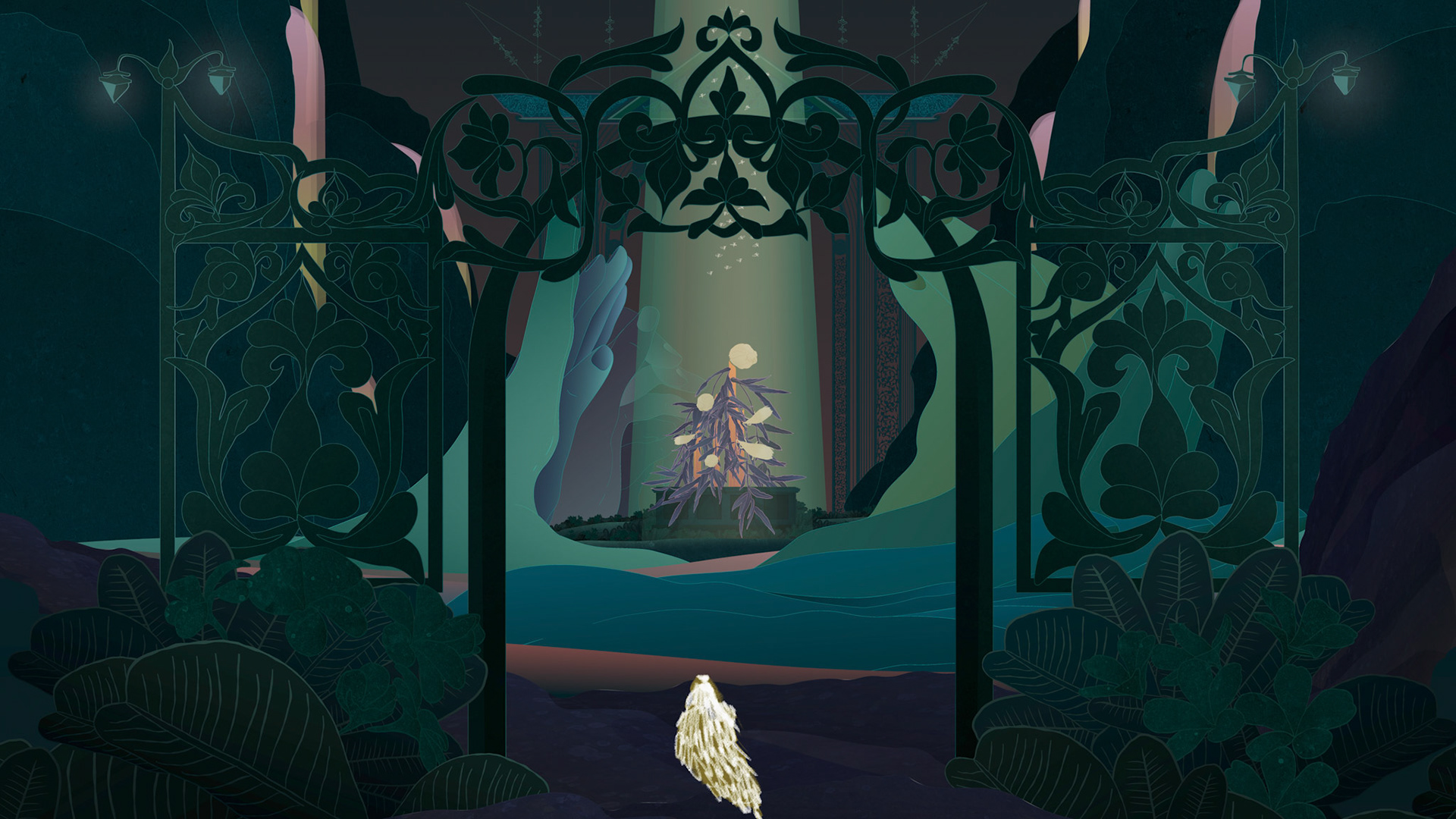
ENCOUNTERING THE BAKAWALI

RAJA TIKUS APPROACHING THE TUALANG TREE
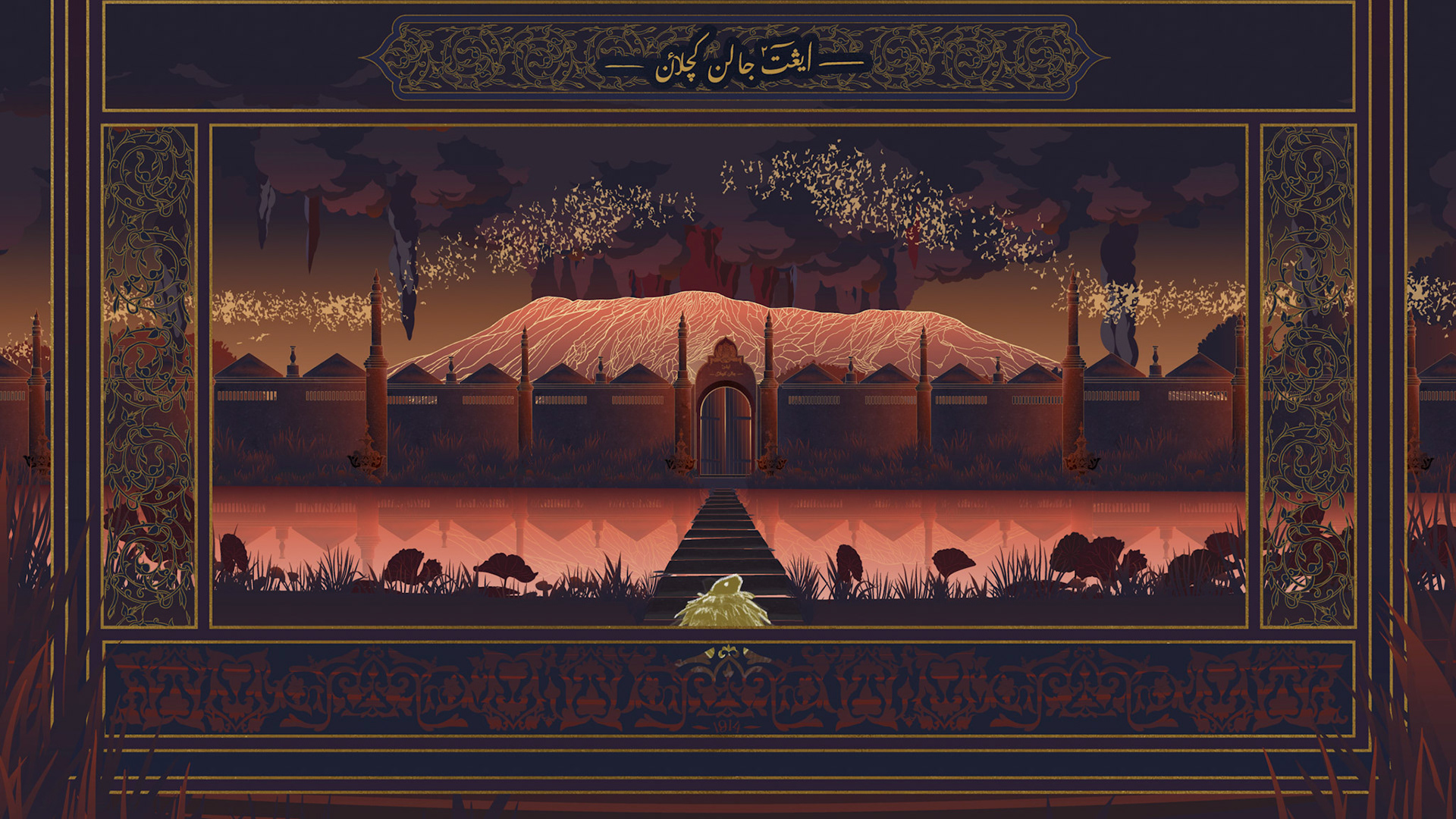
RAJA TIKUS APPROACHING THE FORBIDDEN GARDEN
STORY INSPIRED BY
Hikayat Gul-Bakawali
Hikayat Gul-Bakawali
ANIMATION
Studio 1914
Adzlynn
Hong Hu
Studio 1914
Adzlynn
Hong Hu
MUSIC & SOUNDSCAPE DESIGN
Gardika Gigih
Gardika Gigih
DRAMATURG
Dr Nidya Shanthini Manokara
Dr Nidya Shanthini Manokara
DANCERS
Fikri Zafri Bin Ahmad Rifa'i
Nurhazirah Binte Mohd Ya'akob
Fikri Zafri Bin Ahmad Rifa'i
Nurhazirah Binte Mohd Ya'akob
MUSICIANS
Govinda Sanglay (Saronay & Kubing)
Nanang Bayu Aji (Gamelan, Kendhang)
Govinda Sanglay (Saronay & Kubing)
Nanang Bayu Aji (Gamelan, Kendhang)
MIXING & MASTERING
Victor Pradipta
Victor Pradipta
SPECIAL THANKS
Ricky Sim
Norisham Osman
Rimbun Dahan Southeast Asian Arts Residency
Ricky Sim
Norisham Osman
Rimbun Dahan Southeast Asian Arts Residency